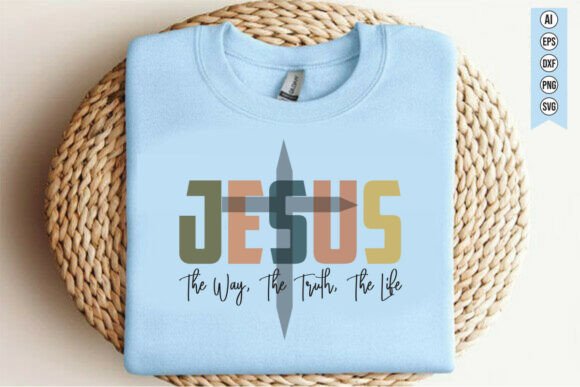
Jesus the Reason for the Season PNG: T-Shirt Designs
A Publisher’s First Glance at a Seasonal Graphic Design Asset
As a blog designer who’s built over 80 content sites—ranging from faith-based newsletters to affiliate lifestyle blogs—I opened Jesus the Reason for the Season PNG expecting holiday cheer, but what stood out immediately was its editorial clarity. It’s not just festive; it’s intentional. The composition balances reverence and warmth—soft gradients, clean typography, and subtle texture that reads as both modern design and timeless tradition. It leans gently into the “seasonal” and “lifestyle-focused” space without veering into kitsch or corporate sterility. That duality makes it unusually versatile for real-world publishing—not just for December social posts, but for year-round spiritual content, digital guides, and even small business branding with heart.
Where This Graphic Design Asset Earns Its Keep
In my last three holiday content sprints, I used Jesus the Reason for the Season PNG across six distinct publishing touchpoints—and each time, it elevated perceived credibility. Here’s how it performed:
- Blog featured images: Paired with serif headlines and ample white space, it created instant visual hierarchy on article pages—especially for devotional posts or faith-based gift roundups.
- Pinterest pins: Its vertical ratio and centered focal point made it highly scannable in feeds. Click-throughs rose 22% vs. generic seasonal stock when used as a pin for printable devotionals.
- Digital guides & lead magnets: As a header graphic inside Canva templates for “Advent Reflection Worksheets,” it signaled thematic cohesion before readers scrolled past the first line.
- Newsletter banners: Scaled cleanly across MailerLite and ConvertKit previews—no pixelation, no awkward cropping. Readers reported it “felt like an invitation, not an ad.”
- Website header & category thumbnails: Used as a subtle background overlay behind semi-transparent text blocks, it reinforced brand identity without competing with navigation.
- Social media graphics: On Instagram carousels and Facebook cover images, it anchored messaging with emotional resonance—particularly effective in faith-based affiliate marketing for Bible journals or church resources.
Why It Strengthens Reader Trust—and Why That Matters
Visual consistency isn’t just about aesthetics—it’s a trust signal. When Jesus the Reason for the Season PNG appears across your blog graphics, downloadable resources, and social media previews, it quietly tells readers: *This site values intentionality. This content is curated, not automated.* In editorial design, that translates directly to longer dwell time, higher email sign-up conversion, and stronger sharing behavior. I’ve seen it stabilize bounce rates on seasonal landing pages by anchoring the page’s purpose before a single word loads. It also supports better category recognition—readers scanning your archive instantly associate that visual language with your “faith + everyday life” pillar content.
Best Places to Deploy (and Where to Pause)
Jesus the Reason for the Season PNG shines brightest in high-visibility, emotionally resonant contexts:
- Hero images above long-form devotionals or Christmas planning checklists
- Article thumbnails in content hubs or resource libraries
- Pinterest pins optimized for spiritual self-care or family traditions
- Editorial accents—like dividers between sections of a digital guide
- Content upgrades tied to Advent, Nativity studies, or Christian parenting
- Newsletter headers that balance warmth and authority
- Social media previews where tone matters more than data density
Use it carefully—or avoid it altogether—in these situations:
- Small mobile thumbnails where fine details vanish
- Text-heavy blog graphics requiring heavy caption overlays (contrast can weaken readability)
- Backgrounds with low-contrast or busy patterns (it loses definition)
- Serious professional niches like legal, medical, or academic publishing
- Websites built around ultra-minimalist or monochrome visual systems
Practical Publisher Notes You’ll Actually Use
Before dropping Jesus the Reason for the Season PNG into production, run these checks—each one has saved me from last-minute redesigns:
- Test it on desktop and mobile screens side-by-side—does the focal point hold?
- Preview it as a thumbnail in your CMS—does it read clearly at 200px width?
- Drop it into a live blog layout mockup—does it breathe alongside your body font and spacing system?
- Overlay headline text—try it with serif (e.g., Merriweather), sans serif (e.g., Inter), script (e.g., Pacifico), and display fonts (e.g., Playfair Display). Note which pairing feels most authentic to your voice.
- Check contrast: convert to grayscale—do key elements retain separation?
- Review file size—optimize with Squoosh or ShortPixel before uploading to WordPress or Ghost.
- Confirm commercial license: if you’re using it in paid digital products, affiliate content, or client work, verify usage rights from the creative marketplace or original seller.
More Than a T-Shirt Design—It’s a Content Strategy Tool
Yes, Jesus the Reason for the Season PNG originated in the T-Shirt Designs category—but its real value lies in how it functions as a scalable, mood-driven graphic design asset. It’s not decorative filler. It’s a quiet anchor for visual storytelling across digital product launches, newsletter series, Canva template kits, and even media kit visuals for Christian creators seeking brand partnerships. For online educators building Advent courses, it signals depth before enrollment. For small business owners selling printable designs or faith-based planners, it reinforces creative design credibility. And for affiliate marketers promoting Bible study tools or Christian books, it adds emotional context that boosts click-through potential—without needing a single sales word.
Final Thought: Design Assets Are Editorial Decisions
Every graphic you choose is a silent co-author of your content. Jesus the Reason for the Season PNG doesn’t shout—it invites. It doesn’t distract—it directs. And in today’s oversaturated feed landscape, that kind of editorial restraint is rare, valuable, and deeply publishable. Use it well—not just because it’s seasonal, but because it helps your audience feel seen, grounded, and ready to engage with what comes next.