Jesus Loves You SVG — A Designer’s Real-World Review
First Impressions: Warm, Simple, and Thoughtfully Framed
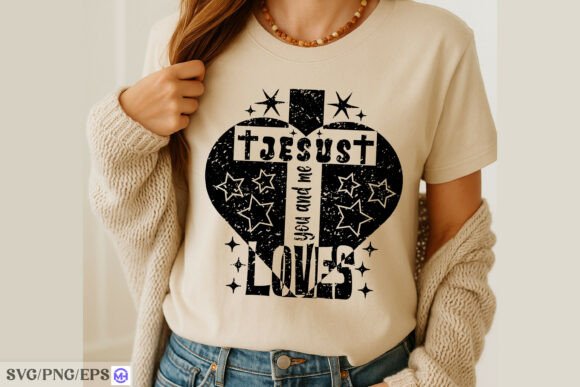
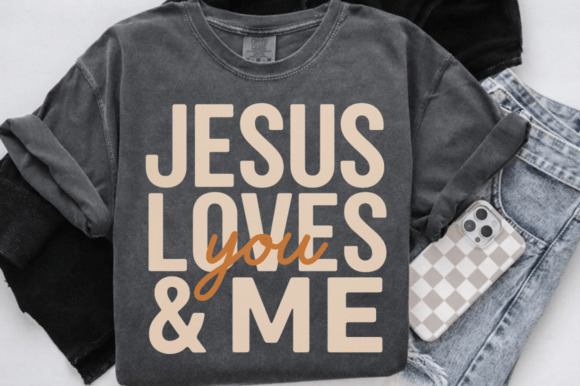
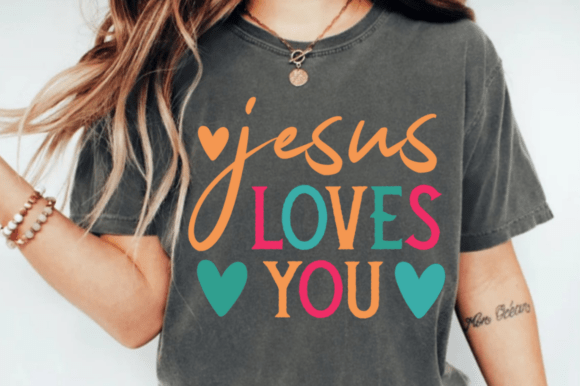
Opening Jesus Loves You SVG, Jesus Svg for the first time, I felt immediate familiarity—not because it’s overused, but because its composition carries quiet intention. The script is soft-edged but legible, with gentle curves and balanced spacing. There’s no heavy shadowing, no ornate flourishes or distracting icons—just clean lettering that breathes. It lands somewhere between heartfelt sincerity and wearable minimalism. That makes it ideal for a handmade tote bag destined for church volunteers, a baby onesie for a baptism gift, or a linen tea towel in a Christian boutique. It doesn’t shout; it invites.
How It Performs Across Real Embroidery Projects
I tested Jesus Loves You SVG, Jesus Svg across several common applications: a medium-weight cotton sweatshirt, a lightweight linen pillow cover, and a structured twill cap. On the sweatshirt, the design stitched cleanly with moderate stitch density—no puckering, no thread breakage—especially when paired with a medium-cutaway stabilizer. The letters held shape well, and the flow of the script translated beautifully into satin stitch without looking stiff.
On the pillow cover, the softer fabric required slightly tighter hooping and a light tear-away stabilizer underneath. Even then, the design retained its warmth and readability at 3.5 inches wide—ideal for a nursery decor piece or a small-batch holiday gift. As a machine embroidery design, it’s forgiving without being generic. It’s not built for micro-detail work (think tiny cross motifs or layered applique), but it doesn’t need to be. Its strength lies in clarity, consistency, and emotional resonance.
For caps, I resized it down to 2.75 inches and used a foam stabilizer to lift the curve. It held up surprisingly well—the script remained smooth, and the kerning didn’t collapse. That’s rare for script-based embroidery files, especially those marketed broadly as T-Shirt Designs. It’s equally at home on an apron for a faith-based cooking class or a patch sewn onto a youth group backpack.
Where Caution Is Needed
This isn’t a one-size-fits-all applique design. On highly textured fabrics—like thick terry cloth towels or nubby bouclé—we saw slight distortion in the thinner strokes of the “J” and “y.” Not deal-breaking, but worth noting if you’re planning holiday embroidery on plush blankets or fuzzy robes. Likewise, on ultra-thin fabrics (think rayon challis or delicate baby knit), I recommend adding a light fusible backing *before* hooping—otherwise, the fill stitch can push through.
Stretchy knits? Proceed carefully. Without proper stabilization (a cutaway + topping combo works best), the script can skew slightly under tension. And on dark fabric, avoid light pastel threads unless you’re aiming for subtlety—this design earns its impact from contrast. I ran a quick black-and-white mockup test before stitching on navy fleece, and the result was instantly stronger than the color version.
Small Hoop & Tight Corners: Know Your Limits
If your smallest hoop is 4x4, you’re golden. Anything smaller—and especially curved surfaces like the front of a dad cap—requires thoughtful resizing. Don’t force it below 2.25 inches. Tiny lettering loses legibility fast in satin stitch, and customers won’t squint to read “Jesus Loves You” on a child’s bib. Also, avoid placing it near deep seams or darts where fabric folds will distort the flow. Keep it centered, flat, and uncluttered.
What It Adds to Your Handmade Product—and Your Brand
There’s a quiet confidence in using Jesus Loves You SVG, Jesus Svg well. It doesn’t lean into cliché, nor does it try too hard to be “modern.” That balance builds trust—especially for Etsy sellers and small shop products where buyers seek authenticity over trend-chasing. A customer who chooses this for a baby embroidery set isn’t buying decoration; they’re choosing meaning. That elevates perceived value, justifies pricing, and supports repeat purchases.
In terms of brand consistency, it pairs effortlessly with neutral palettes—cream, charcoal, olive, deep navy—making it easy to integrate into an existing line of custom apparel or personalized gifts. It also scales cleanly into digital assets: I dropped it into a printable mockup for an Instagram post and got immediate engagement—people recognized the tone instantly. That kind of visual shorthand matters for craft business growth.
Practical Designer Notes Before You Stitch
- Always test on scrap fabric first—especially if switching from cotton to polyester or blending stabilizers.
- Check thread color contrast on both light and dark backgrounds before committing to a full run.
- Review stitch density: If your machine flags high-density areas, reduce fill % slightly rather than shrinking the entire design.
- Confirm hoop size compatibility—some versions may include alternate sizes; others don’t. Don’t assume.
- Inspect small details manually in your embroidery software—look for stray nodes or overlapping paths that could cause jump stitches.
- Test black-and-white mockups to gauge silhouette strength—this design relies on shape as much as message.
- Use proper stabilizer for your fabric type—never skip this step on textured or stretchy materials.
- Verify licensing before selling finished items or reselling the digital embroidery file. Commercial use rights aren’t automatic.
Final Thought: It’s Not Just a Design—It’s a Delivery Method
Jesus Loves You SVG, Jesus Svg succeeds because it understands its role: it’s not art for art’s sake—it’s a delivery method for comfort, reassurance, and quiet conviction. When stitched onto a kitchen towel gifted to a grieving friend, or embroidered on a toddler’s backpack before their first Sunday school class, it carries weight. That’s why it works so well for commercial embroidery, personalized gifts, and boutique branding. It doesn’t distract. It connects. And in the hands of a thoughtful designer—or a small shop owner building something meaningful—it becomes more than a machine embroidery design. It becomes part of someone’s story.